


The Impact of Culture Tube Design on Cell Growth Results
The design of culture tubes plays a pivotal role in achieving optimal cell growth results, directly impacting research accuracy and laboratory efficiency. As specialists in medical consumables including Centrifuge Tubes, Culture Tubes, and Microscope Slides, we understand how subtle variations in Plain Tube specifications can influence experimental outcomes. This article explores critical design factors that technical evaluators, procurement specialists, and distributors should consider when selecting culture vessels for cell-based applications.
Key Design Factors Affecting Cell Growth
Culture tube design impacts cell viability through multiple parameters. The following table summarizes 5 critical factors that technical evaluators should prioritize:
Recent studies indicate that improperly selected culture tubes can reduce cell proliferation rates by 15-40% compared to optimized designs. Procurement teams should verify these specifications against their specific cell line requirements.
Material Selection Considerations
The choice between polystyrene, polypropylene, and specialty polymers involves trade-offs:
- Polystyrene: Standard for adherent cells, requires surface treatment
- Polypropylene: Superior chemical resistance for suspension cultures
- Cyclic Olefin Copolymer: Ultra-low protein binding for sensitive assays
Operational Efficiency in Laboratory Settings
Beyond biological performance, culture tube design significantly impacts workflow efficiency. Laboratories processing 200-500 samples daily report 20-30% time savings when using ergonomically optimized designs.
Features like Drop-dispensing Bottles with Tethered Cap demonstrate how thoughtful design solves common pain points. The LDPE/PP construction allows one-handed operation while preventing accidental dispensing - critical when working in sterile environments.
Procurement Decision Framework
Technical evaluators and distributors should assess culture tubes against these 4 key dimensions:
- Biological Compatibility: Certified non-cytotoxic with relevant cell lines
- Process Integration: Compatibility with automated systems (if applicable)
- Quality Certifications: ISO 13485, USP Class VI, or equivalent
- Supply Chain Reliability: Consistent availability with ≤2% defect rate
For high-throughput facilities, the ability to integrate with robotic systems often outweighs per-unit cost considerations. One pharmaceutical manufacturer reduced media preparation time by 35% after switching to robot-compatible designs.
Common Selection Mistakes to Avoid
Laboratories frequently encounter these 3 preventable issues:
- Prioritizing price over oxygen permeability requirements
- Overlooking cap design - loose caps cause 12-18% of contamination incidents
- Ignoring thermal properties for cryopreservation applications
FAQ: Culture Tube Selection
How do I choose between treated and untreated surfaces?
Treated surfaces (TC-treated or plasma-treated) are essential for adherent cell lines but may interfere with certain suspension cultures. Always verify with your cell line provider.
What sterilization methods are compatible?
Most culture tubes tolerate gamma irradiation (25-50 kGy) and ethylene oxide. Autoclave compatibility varies by material - polypropylene generally withstands 121°C for 20 minutes.
Conclusion and Next Steps
Optimal culture tube selection requires balancing biological requirements, operational efficiency, and supply chain considerations. Technical teams should:
- Conduct pilot studies with 3-5 candidate designs
- Validate against your specific cell lines and protocols
- Establish quality benchmarks with suppliers
For laboratories requiring precision liquid handling, solutions like Drop-dispensing Bottles with Tethered Cap demonstrate how thoughtful design enhances both accuracy and workflow efficiency. Contact our technical specialists to discuss your specific cell culture requirements.
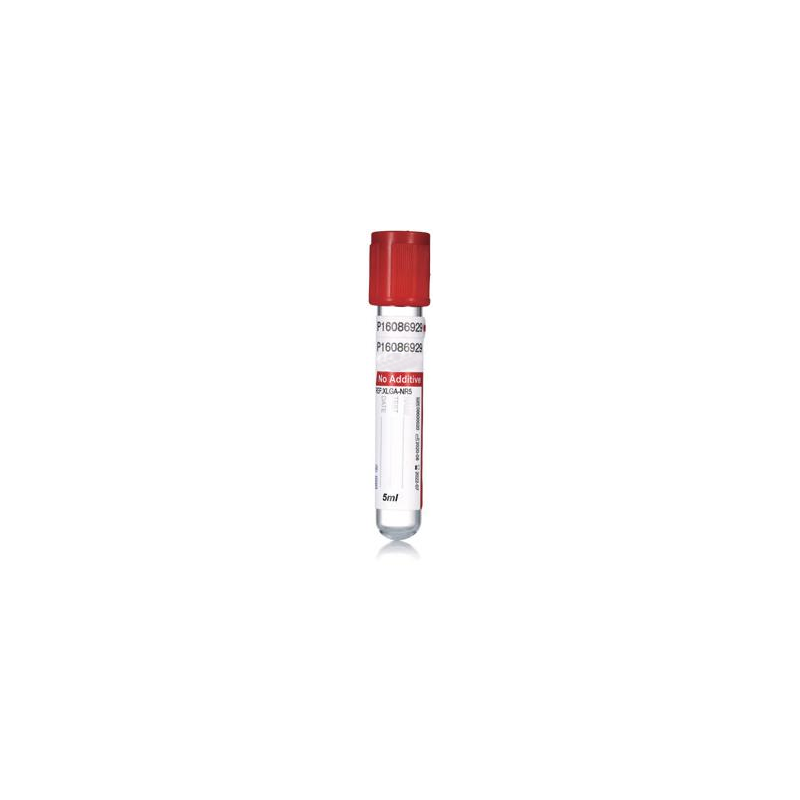
 Plain TubeVacuum Blood Collection Tubes are essential disposable devices for clinical blood collection. Designed with pre-set vacuum pressure, they draw accurate blood volumes safely and efficiently. Color-coded tops mark different additives for various tests. This closed system ensures sample quality, minimizes contamination, and meets standard laboratory requirements for blood testing and analysis.
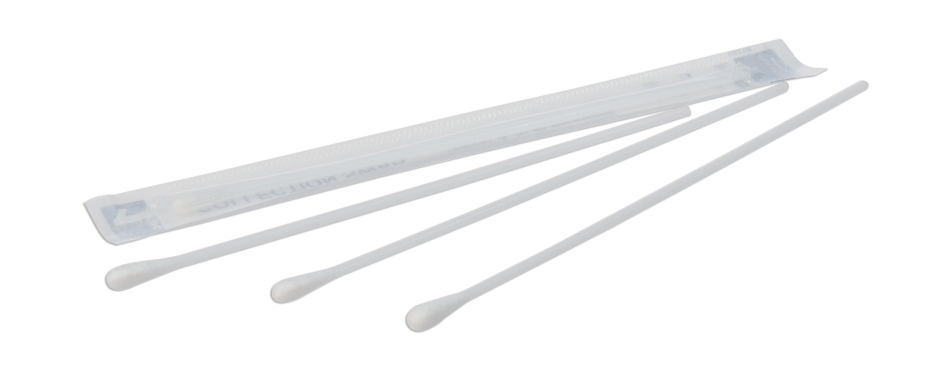
 Collection SwabDesigned for sampling from surface and wide orifices, such as skin, mouth, nose and throat
·Wooden swabs can be used in lab, not recommended for fastidious organisms
·Plastic swabs, flexible, suitable for most specimen
·Round tip, compact and shred resistant, not easy to loose during sampling
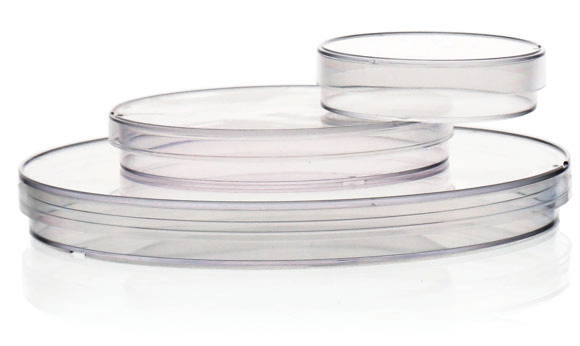
·Supplied with sterile and non-sterile PS Petri DishDesigned to microbiological procedures, suspension culture or plant cell culture.
· Made of high-grade PS with exceptional optical clarity for microscopy and high heat resistance for use with hot agar
· Superior flatness bottom ensures uniform agar thickness
· Single or more vents are available: no-vent for anaerobic and long-term work, single vent for limiting gas exchange, multi vents for improving gas
exchange
Related Posts
Online Message
PROFESSIONAL CONSULTATION
If you are interested in our products and want to know more details, please leave a message here, we will reply you as soon as we can.