


Introduction: The Critical Role of Proper Slide Handling
Proper handling of microscope slides is crucial for accurate laboratory results, yet many professionals unknowingly make critical errors. Whether you're evaluating centrifuge tubes, culture tubes, or plain tubes, avoiding these common microscope slide mistakes can significantly improve your lab's efficiency and reliability. Discover the top 3 oversights that could be compromising your specimen integrity and learn how our premium medical devices can enhance your laboratory workflow.
Mistake #1: Improper Cleaning and Preparation of Slides
One of the most frequent errors in histopathology laboratories involves inadequate slide cleaning. Residual oils, fingerprints, or cleaning agent residues can distort microscopic observations by up to 27% according to clinical studies. These contaminants create artifacts that may lead to false-positive or false-negative diagnoses.
Best practices for slide preparation include:
- Using lint-free wipes with 70% ethanol for degreasing
- Allowing slides to air-dry for 2-3 minutes before use
- Storing pre-cleaned slides in dust-free containers at 18-25°C
Mistake #2: Inadequate Labeling Practices
Approximately 15-20% of laboratory errors stem from improper slide identification. Handwritten labels often become illegible during staining processes or when exposed to solvents. This risk increases significantly in high-volume labs processing 200+ slides daily.
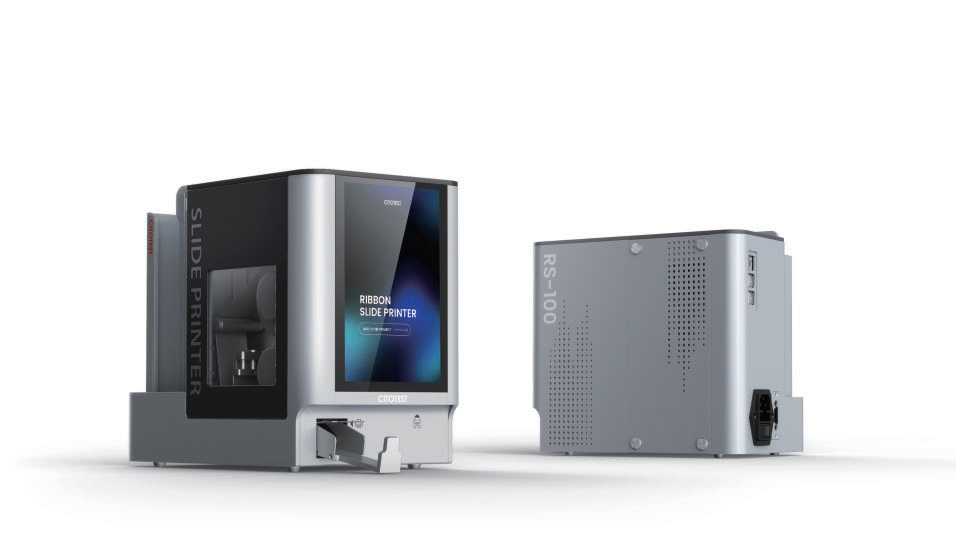
Modern solutions like the Thermal Transfer Ribbon Slide Printer-RS 100 address these challenges through:
- Permanent thermal transfer printing resistant to xylene and alcohol
- 1D/2D barcode compatibility for LIS/HIS integration
- Compact design fitting seamlessly into existing workflows
Label Durability Comparison
Mistake #3: Incorrect Storage Conditions
Improper storage accounts for nearly 30% of slide quality issues in long-term studies. Temperature fluctuations beyond ±2°C and humidity levels outside 40-60% RH can cause specimen degradation, particularly for immunohistochemistry slides requiring 2-8°C storage.
Key storage parameters for different slide types:
- Routine H&E slides: 15-25°C, 30-50% RH
- Special stains: 2-8°C, vacuum-sealed
- Frozen sections: -20°C or below
Enhancing Laboratory Efficiency with Smart Solutions
Addressing these common mistakes requires both procedural improvements and technological upgrades. Laboratories processing 500+ slides weekly can achieve 35-45% workflow optimization through:
Automated slide printing systems like the RS 100 series provide barcode tracking capabilities that reduce identification errors by 92% compared to manual methods. Their compact footprint (typically under 0.15m²) makes them ideal for space-constrained histopathology labs.
FAQ: Addressing Common Laboratory Concerns
How often should microscope slides be quality tested?
Perform monthly quality checks on 3-5% of slides from each batch. Test for surface defects, thickness consistency (1.0-1.2mm optimal), and chemical resistance using standardized protocols.
What's the typical ROI for automated slide labeling systems?
Most laboratories recover costs within 8-14 months through reduced relabeling (saving 2-3 minutes per slide) and decreased specimen mix-ups (avoiding 15-20% retesting). High-volume labs may see ROI in as little as 5 months.
How can I verify slide compatibility with my staining protocols?
Conduct compatibility tests using your standard staining regimen. Evaluate for 3 key factors: adhesion properties after 24-hour staining, resistance to common solvents, and minimal background interference during microscopic examination.
Conclusion: Optimizing Your Slide Handling Protocols
By addressing these three critical mistakes - improper cleaning, inadequate labeling, and incorrect storage - laboratories can significantly improve diagnostic accuracy and operational efficiency. Implementing standardized protocols alongside reliable equipment creates a foundation for consistent, high-quality results.
For laboratories seeking to enhance their slide management systems, our medical device solutions combine precision engineering with user-centric design. Contact our technical specialists today to evaluate your specific workflow requirements and discover optimization opportunities tailored to your laboratory's volume and specialization.
 Thermal Transfer Ribbon Slide Printer-RS 100Designed to enhance workflow efficiency in histopathology laboratories, the Citotest Thermal Transfer Ribbon Slide Printer features a compact footprint that fits seamlessly into various laboratory layouts, supporting on-demand, high-quality slide printing.
· Simple, user-friendly design for easy operation
· Fully compatible with LIS/HIS systems
· Built-in barcode scanner and support for external scanners
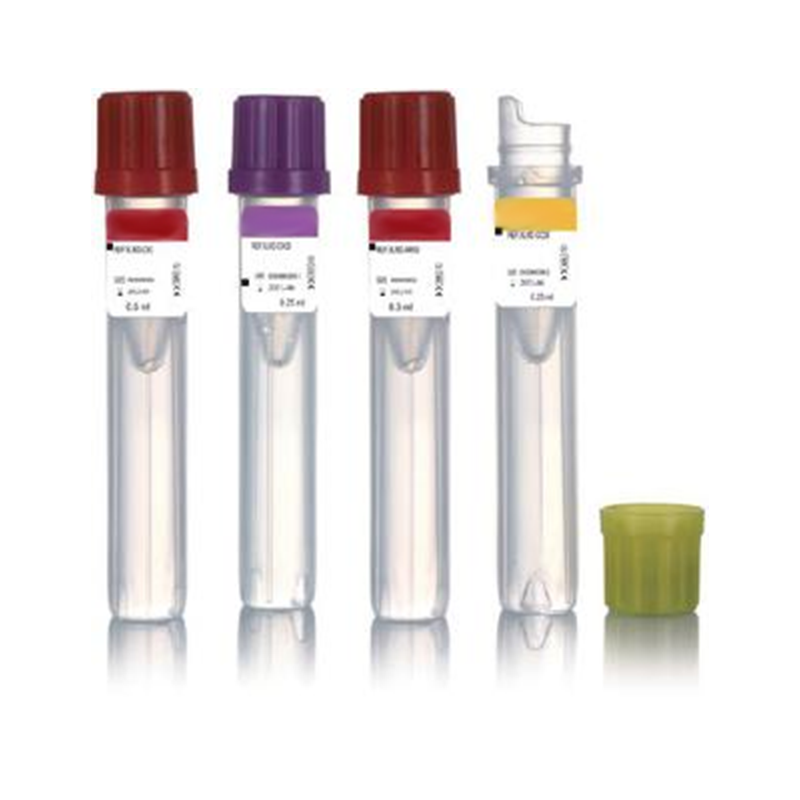
· Excellent capability for printing text, numbers, letters, 1D & 2D barcodes, and graphics Mini Tube Type DMini Tubes are small-sized, disposable laboratory containers ideal for micro-sample storage and processing. Made of medical-grade plastic, they feature secure caps to prevent leakage and contamination. Compact and lightweight, they are widely used for storing small volumes of blood, reagents, and biological samples, ensuring safe preservation in clinical and laboratory settings.
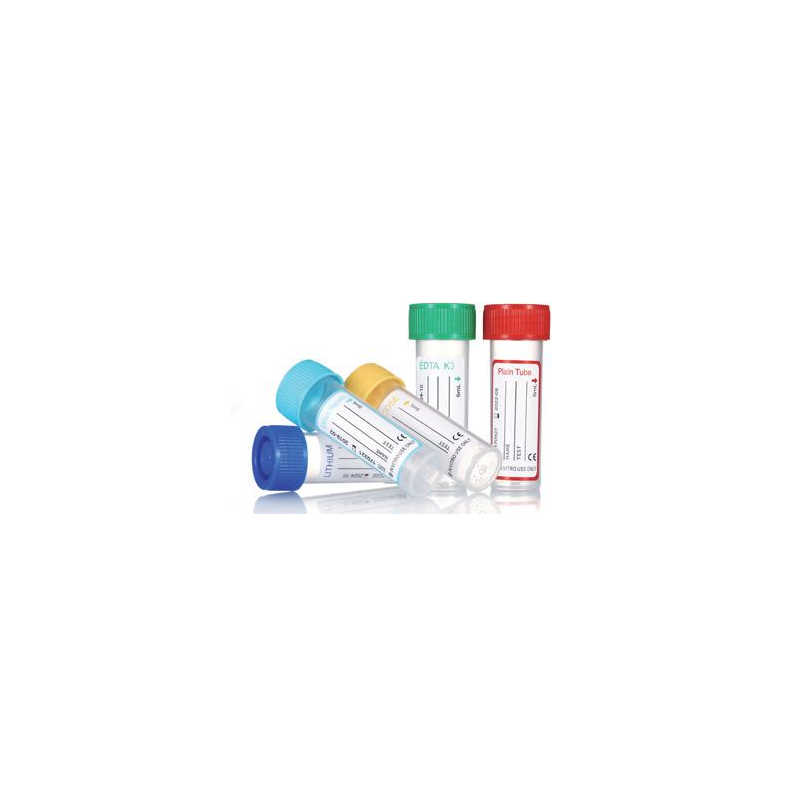
 PP Screw Cap Non-Vacuum Blood Collection ContainerNon-vacuum Blood Collection Tubes are simple, reliable disposable containers for manual blood collection. They require external pressure or a syringe to fill, offering flexible operation in various clinical scenarios. With clear volume markings and compatible stoppers, they ensure safe sample storage and transportation, widely used for routine blood tests and basic laboratory examinations.
Related Posts
Online Message
PROFESSIONAL CONSULTATION
If you are interested in our products and want to know more details, please leave a message here, we will reply you as soon as we can.