


Why Proper Culture Tube Storage Matters
Proper storage of Culture Tubes is critical for maintaining sterility and ensuring reliable lab results. As medical professionals and procurement specialists know, compromised samples can lead to costly errors. This guide explores best practices for storing Centrifuge Tubes, Culture Tubes, and related equipment like Microscope Slides and Plain Tubes. Whether you're a lab technician evaluating protocols or a distributor advising clients, these insights will help preserve sample integrity while optimizing storage efficiency in clinical and research settings.
Studies show that up to 15% of laboratory errors originate from improper sample storage conditions. Contaminated or degraded samples can invalidate weeks of research and cost institutions thousands in replacement materials and lost productivity. For procurement specialists and distributors, understanding these storage protocols ensures you're recommending products that meet the rigorous demands of modern laboratories.
Optimal Storage Conditions for Culture Tubes
Maintaining sterility requires controlling three key environmental factors: temperature, humidity, and light exposure. The ideal storage conditions vary depending on tube material and intended use, but most standard culture tubes perform best under these parameters:
For specialized applications like long-term microbial culture storage, consider these additional precautions:
- Use amber-colored tubes for light-sensitive samples
- Implement desiccant packs in storage areas with humidity fluctuations
- Maintain positive air pressure in storage rooms to minimize contamination
Sterilization and Handling Procedures
Proper sterilization begins before storage. All culture tubes should undergo one of these validated sterilization methods:
Common Sterilization Techniques
1. Autoclaving: 121°C at 15 psi for 15–20 minutes is standard for most glass and plastic tubes. Polypropylene tubes typically withstand 20–50 autoclave cycles before degradation.
2. Dry Heat: Suitable for glass tubes, requiring 160°C–180°C for 2–4 hours. This method prevents moisture retention but isn't ideal for plastic materials.
3. Chemical Sterilization: Ethylene oxide or hydrogen peroxide plasma works for heat-sensitive materials, with a typical cycle time of 3–6 hours including aeration.
For flame sterilization during handling, a Bunsen Burner with adjustable gas valve and clean, smokeless flame provides precise control. The nickel-plated zinc alloy construction ensures durability in high-temperature laboratory environments.
Organizational Systems for Efficient Storage
Implementing a logical storage system reduces contamination risks and improves workflow efficiency. Consider these organizational approaches:
Implement barcode or RFID tracking for high-volume laboratories processing over 1,000 samples weekly. This reduces handling errors by up to 75% compared to manual logging systems.
Common Storage Mistakes and How to Avoid Them
Even experienced laboratories encounter these frequent storage errors:
1. Overcrowding Storage Spaces
Maintain at least 2–3 cm between tube racks for proper air circulation. Overpacked storage creates microenvironments with uneven temperature and humidity distribution.
2. Improper Cap Closure
Screw caps should be tightened to 8–10 in-lbs of torque. Overtightening can deform threads, while loose caps compromise sterility. Conduct monthly staff training on proper capping techniques.
3. Inadequate Documentation
Implement a standardized labeling system including:
- Sample ID with unique barcode
- Preparation date
- Storage conditions
- Expiration date
Maintaining Your Storage Equipment
Regular maintenance ensures consistent storage conditions. Follow this schedule for critical equipment:
Refrigerators/Freezers: Perform quarterly temperature mapping and annual compressor maintenance. Replace door gaskets every 2–3 years or when cracks appear.
Sterilization Equipment: Calibrate autoclaves monthly and validate sterilization cycles every 6 months. For Bunsen Burner maintenance, clean gas ports weekly and inspect for flame consistency.
Environmental Monitors: Replace sensors annually and calibrate every 3–6 months depending on manufacturer recommendations.
Implementing Best Practices in Your Facility
Transitioning to optimal storage protocols requires a phased approach:
Phase 1 (Weeks 1–2): Conduct a storage audit to identify current gaps in temperature control, organization, and documentation systems.
Phase 2 (Weeks 3–4): Train staff on new handling procedures with competency assessments. Focus on high-risk areas like sterile transfer techniques.
Phase 3 (Ongoing): Implement quarterly quality checks with documented corrective actions. Track metrics like sample rejection rates to measure improvement.
For procurement specialists evaluating new storage solutions, prioritize vendors offering comprehensive technical support and validation services. This ensures smooth implementation and ongoing compliance with your facility's specific requirements.
 Inoculation LoopAS material, ideal for collection single colony and inoculation by puncturing
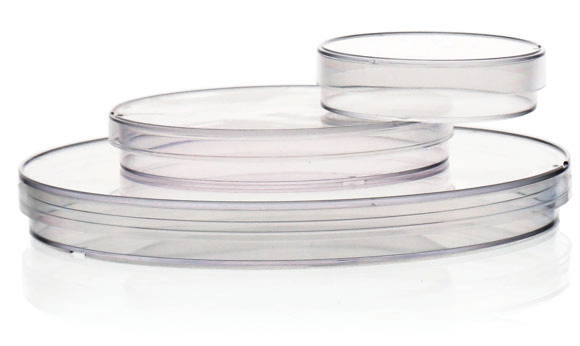
 PS Petri DishDesigned to microbiological procedures, suspension culture or plant cell culture.
· Made of high-grade PS with exceptional optical clarity for microscopy and high heat resistance for use with hot agar
· Superior flatness bottom ensures uniform agar thickness
· Single or more vents are available: no-vent for anaerobic and long-term work, single vent for limiting gas exchange, multi vents for improving gas
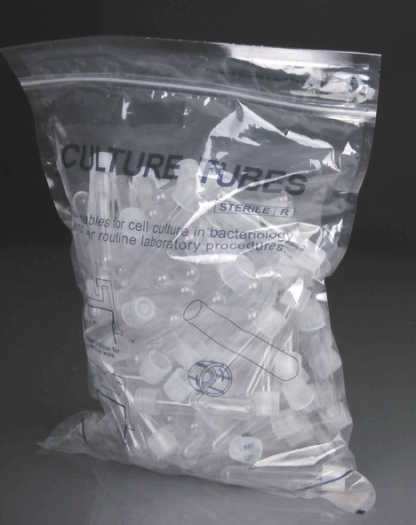
exchange Plastic Culture TubeHigh-quality plastic culture tubes with dual-position snap caps for aerobic culturing or sealing. Available in 5mL & 15mL volumes, gamma sterile, in zip-lock or peel packs. Ideal for laboratory use.

Related Posts
Online Message
PROFESSIONAL CONSULTATION
If you are interested in our products and want to know more details, please leave a message here, we will reply you as soon as we can.