


Introduction: The Critical Choice Between Plastic and Glass Centrifuge Tubes
Choosing between plastic and glass centrifuge tubes is a critical decision for laboratories and medical facilities. This comprehensive material comparison examines durability, chemical resistance, and cost-effectiveness of Culture Tubes and Centrifuge Tubes, while addressing common concerns with Microscope Slides and Plain Tube applications. Discover which tube material best suits your specific needs for centrifugation, sample storage, and diagnostic procedures.
Material Properties: Key Technical Differences
The fundamental differences between plastic and glass centrifuge tubes stem from their material composition. Polypropylene (PP) and polycarbonate (PC) dominate the plastic tube market, offering distinct advantages over traditional borosilicate glass.
Modern histopathology laboratories often combine both materials with specialized equipment like the Thermal Transfer Ribbon Slide Printer-RS 100, which enhances workflow efficiency through on-demand, high-quality slide printing. This compact system integrates seamlessly with existing laboratory setups while supporting comprehensive sample identification.
Application-Specific Performance Comparison
The choice between plastic and glass tubes significantly impacts experimental outcomes across different laboratory workflows. Consider these critical application factors:
Centrifugation Performance
High-speed centrifugation (above 15,000 rpm) favors plastic tubes due to their superior impact resistance. Polypropylene tubes maintain structural integrity at 30,000 xg for 30+ minutes, while glass risks microfractures at sustained high speeds.
Sample Storage Considerations
For cryogenic storage (-80°C to -196°C), glass demonstrates better thermal shock resistance. However, plastic's lower breakage risk makes it preferable for automated storage systems handling thousands of samples.
Cost Analysis and Operational Efficiency
While glass tubes have higher upfront costs (typically 3–5x plastic equivalents), their reusability can make them cost-effective for certain applications. Consider these financial factors:
- Plastic tubes: $0.10–$1.50 per unit (disposable)
- Glass tubes: $3–$15 per unit (100+ autoclave cycles)
- Plastic waste disposal costs: $50–$200 per 100kg
- Glass breakage replacement rate: 5–15% annually
For laboratories processing 500+ samples daily, plastic tubes typically reduce operational costs by 30–40% when factoring in labor for cleaning and sterilization. The Thermal Transfer Ribbon Slide Printer-RS 100 complements both materials with its simple, user-friendly design for easy operation, particularly in high-volume environments requiring precise sample tracking.
Safety and Compliance Considerations
Material choice directly impacts laboratory safety protocols and regulatory compliance. Key risk factors include:
Biohazard Containment
Plastic tubes with secure screw caps provide superior containment for BSL-2+ materials, reducing aerosol risks during centrifugation by 60–75% compared to glass.
Regulatory Compliance
USP<661>and EP 3.2.1 standards have specific requirements for both plastic and glass containers used in pharmaceutical applications. Glass generally meets more stringent extractables/leachables requirements.
Procurement Decision Framework
Technical evaluators and procurement specialists should assess these 5 key dimensions when selecting tube materials:
- Sample type (aqueous, organic, biological)
- Centrifugation parameters (speed, duration, temperature)
- Throughput requirements (manual vs automated handling)
- Sterilization needs (autoclave, gamma irradiation, etc.)
- Budget constraints (initial vs lifecycle costs)
For laboratories requiring precise sample identification, systems like the Thermal Transfer Ribbon Slide Printer-RS 100 offer fully compatible LIS/HIS integration, supporting both plastic and glass tube workflows with built-in barcode capabilities.
Conclusion and Implementation Guidance
Most modern laboratories maintain inventories of both plastic and glass centrifuge tubes, deploying each material for its optimal applications. Plastic dominates routine clinical testing (75–85% market share), while glass remains essential for specialized chemical and high-temperature applications.
For procurement teams evaluating options, we recommend starting with a 30-day material compatibility test using your specific samples and protocols. Our technical specialists can provide customized consultation to optimize your tube selection based on throughput requirements, sample types, and budget parameters.
Contact our medical device export team today to discuss your centrifuge tube requirements and receive sample kits for comparative evaluation in your laboratory environment.
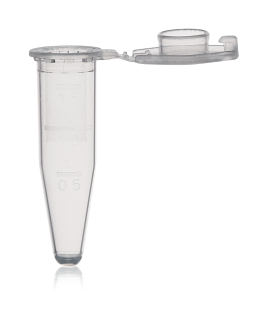
 Micro-Centrifuge TubeHigh-quality PP micro-centrifuge tubes in 1.5ml & 2.0ml volumes. Features hinged-lid, safety-lock cap, frosted writing area & molded graduation. Non-sterile, bulk packaging available.
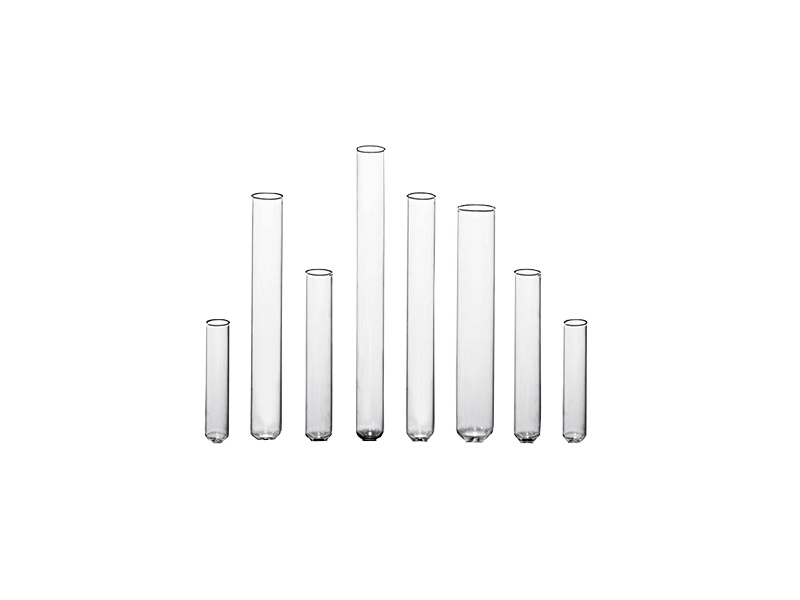
 Glass Test TubeApplicable to general mixing, simple laboratory work, as well for use with samples which are susceptible to pH changes,
will withstand moderate heating (e.g. in a water bath).
· Made of borosilicate glass,
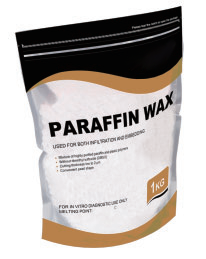
· Meet ASTM E 890 Specification, Standard specification for Disposable Glass Culture Tubes Paraffin WaxSpecially formulated for histopathological embedding and infiltration of tissue specimens.
· Compound of purified paraffin and plastic polymers
· Without dimethyl sulfoxide (DMSO)
· Delivers smooth cutting, minimized compression & cell disruption
· Cutting thickness lowed to 2 µm
· Convenient pearl shape, supplied in convenient zip-lock bag
· Melting point range: 52 ℃ – 62 ℃.
Related Posts
Online Message
PROFESSIONAL CONSULTATION
If you are interested in our products and want to know more details, please leave a message here, we will reply you as soon as we can.