


The Critical Role of Culture Tubes in Diagnostic Accuracy
In medical laboratories, culture tubes serve as the frontline vessels for microbial growth, cell cultures, and biochemical analyses. A 2023 study published in the Journal of Clinical Microbiology revealed that 12% of diagnostic errors in microbiology labs stemmed from compromised specimen containers. This underscores why technical evaluators prioritize tubes with chemically inert surfaces and consistent wall thickness (typically 1.0–1.2mm) to prevent sample adhesion or contamination.
Our ISO 13485-certified manufacturing process ensures each tube maintains ≤0.5% dimensional variation, crucial for automated handling systems in high-throughput labs. For histology workflows requiring precise slide labeling, consider pairing with our Marking Pen featuring permanent, waterproof ink resistant to solvents and high temperatures.
Material Science Behind Premium Culture Tubes
The choice between polypropylene (PP), polystyrene (PS), and borosilicate glass involves trade-offs in three key dimensions:
- Thermal stability: Borosilicate withstands 500°C vs. PP's 135°C limit
- Gas permeability: PS allows 2–3x more O₂/CO₂ exchange than PP
- Breakage risk: Plastic tubes reduce lab injuries by 78% according to OSHA data
Our proprietary copolymer blend achieves a 15% higher impact strength than standard PP while maintaining Class VI USP biocompatibility. This is particularly valuable for long-term cell cultures where leachables must remain below 0.1μg/mL.
Surface Treatment Technologies
Advanced plasma treatment creates uniform hydrophilic surfaces (contact angle ≤30°) for consistent cell attachment. Compared to traditional etching methods, this reduces particulate generation by 40%—critical for sensitive applications like IVF where even sub-micron particles can affect outcomes.
Procurement Considerations for Distributors
Global distributors should evaluate suppliers against these operational metrics:
We support distributors with customizable packaging configurations from 100-unit rack systems to 10,000-piece bulk cases. For pathology labs requiring specimen tracking, our Marking Pen delivers fade-resistant labeling through xylene processing and hematoxylin staining.
Validating Quality: Testing Protocols That Matter
Beyond standard ISO certifications, rigorous labs perform these validation tests:
- Extractable Testing: HPLC analysis for ≤0.5μg/cm² of non-volatile residues
- Mechanical Stress: 500g centrifugal force for 30 min without deformation
- Seal Integrity: Maintains vacuum of -0.8 bar for 72 hours
Our quality reports include batch-specific data on endotoxin levels (<0.25 EU/mL) and USP <661>compliance—parameters that pharmaceutical manufacturers increasingly require.
Common Pitfalls in Tube Selection
Technical evaluators frequently encounter these oversights:
- Ignoring closure compatibility (silicone vs. butyl rubber)
- Underestimating thermal expansion coefficients (PP expands 0.15mm/°C)
- Overlooking printability for barcode labeling
Future-Proofing Your Lab Supply Chain
With increasing automation, culture tubes must meet new dimensional tolerances (±0.05mm inner diameter) for robotic handling systems. Our manufacturing partners maintain 12-month raw material buffers to ensure supply continuity—a critical advantage when polymer shortages cause 6–8 week delays industry-wide.
For procurement teams building resilient supply chains, we offer dual sourcing from FDA-registered facilities in Europe and Asia, with harmonized quality systems ensuring identical specifications across production sites.
Conclusion: Partnering for Precision
From material selection to sterilization compliance, every aspect of culture tube manufacturing impacts diagnostic outcomes. Our 18-year track record in medical device exports ensures your laboratory receives tubes engineered to exceed ISO 13485 standards, backed by technical documentation that simplifies regulatory submissions.
Contact our product specialists today to request validation reports, discuss custom configurations, or arrange sample evaluations for your specific application needs.
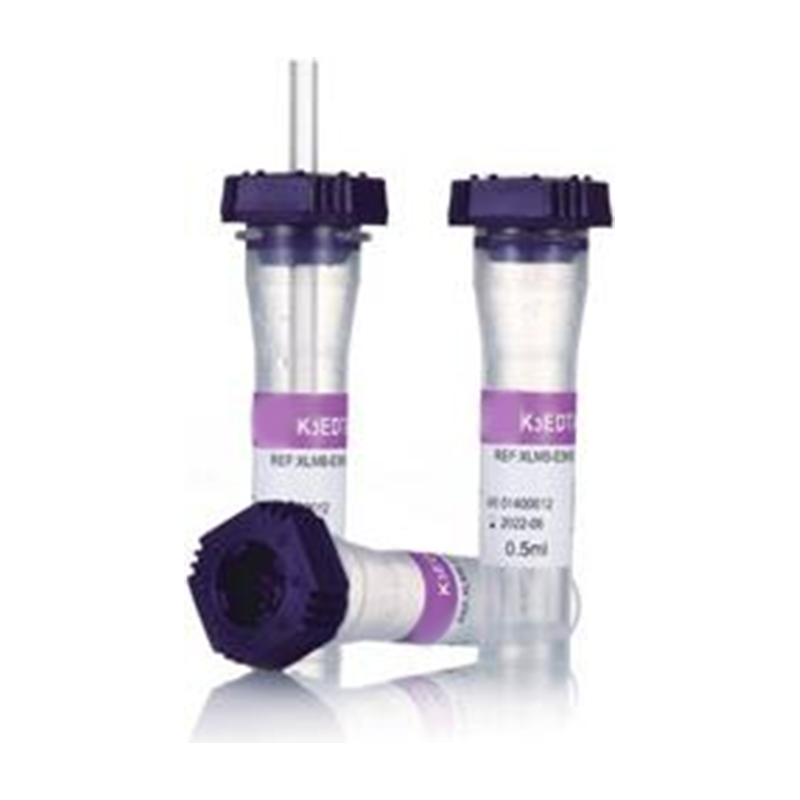
 Mini Tube Type BMini Tubes are small-sized, disposable laboratory containers ideal for micro-sample storage and processing. Made of medical-grade plastic, they feature secure caps to prevent leakage and contamination. Compact and lightweight, they are widely used for storing small volumes of blood, reagents, and biological samples, ensuring safe preservation in clinical and laboratory settings.
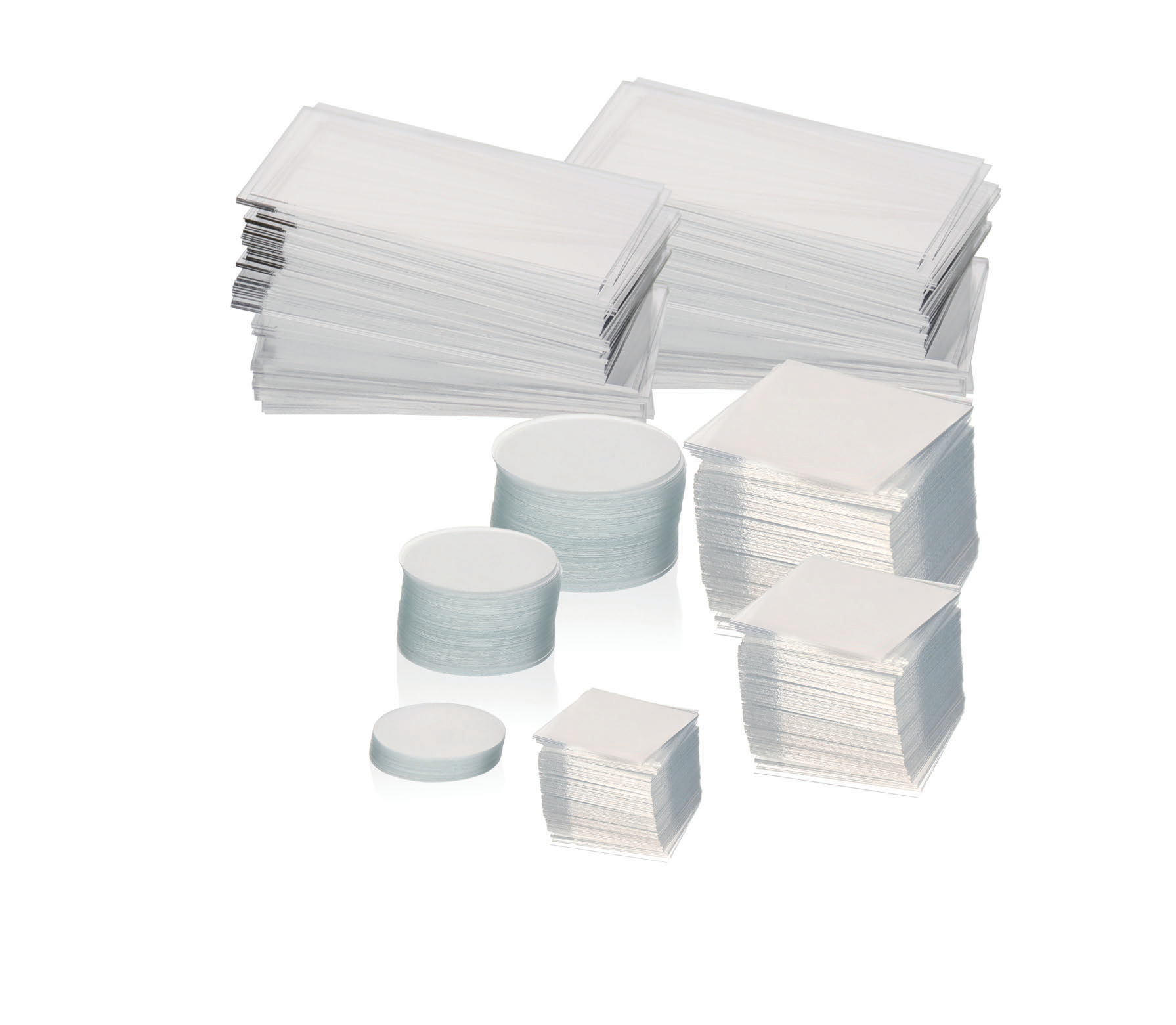
 CSW Cover GlassMade of the super white (CSW) glass sheets, feature ideal optical properties, stable molecular structure, uniform flatness and uniform sizes.
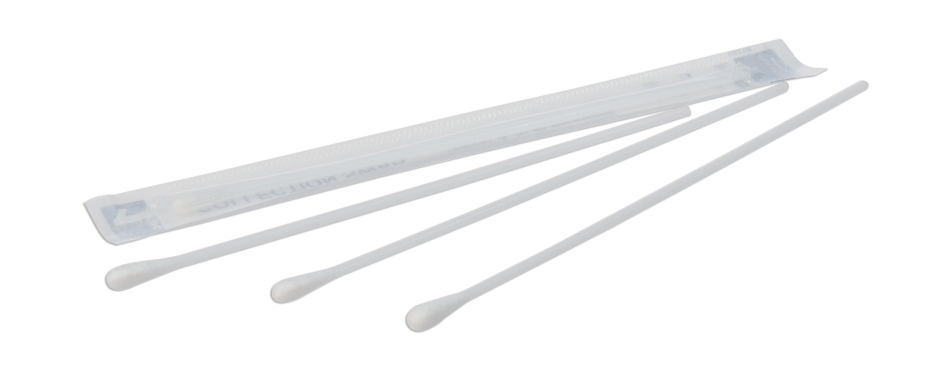
Recommended application: manual workflow in histology, cytology, urinalysis and microbiology Collection SwabDesigned for sampling from surface and wide orifices, such as skin, mouth, nose and throat
·Wooden swabs can be used in lab, not recommended for fastidious organisms
·Plastic swabs, flexible, suitable for most specimen
·Round tip, compact and shred resistant, not easy to loose during sampling
·Supplied with sterile and non-sterile
Related Posts
Online Message
PROFESSIONAL CONSULTATION
If you are interested in our products and want to know more details, please leave a message here, we will reply you as soon as we can.