


Introduction
When purchasing microscope slides in bulk, quality and reliability are paramount for laboratories and medical facilities. As a trusted exporter of medical consumables including centrifuge tubes and culture tubes, we understand the critical factors that impact your purchasing decisions. This guide highlights 5 essential considerations for bulk microscope slide procurement, helping technical evaluators and procurement professionals make informed choices for their plain tube and slide requirements.
1. Material Quality and Composition
The material composition of microscope slides directly impacts experimental accuracy and longevity. High-quality slides typically use:
- Optical-grade glass with 92-96% light transmission
- Low-iron content (≤0.1%) to minimize color distortion
- Precision thickness of 1.0-1.2mm for consistent focus
For plastic alternatives, consider chemically resistant polymers like polystyrene or polycarbonate, especially when working with aggressive reagents. The Narrow-mouth, with Long Dispensing Tube exemplifies how material selection affects functionality in lab plastic ware, featuring lightweight construction and chemical resistance for reagent handling.
Borosilicate glass slides typically command a 15-20% price premium over standard soda-lime but offer superior thermal shock resistance and chemical durability - crucial for histology and heated staining procedures.
2. Surface Treatment and Coatings
Specialized coatings can enhance slide performance for specific applications:
- Electrostatically charged surfaces improve cell adhesion (60-75% better attachment)
- Silane coatings boost binding capacity for DNA/RNA applications
- Hydrophobic barriers create defined sample areas (typically 12-25mm diameter)
For routine microscopy, uncoated slides with a surface roughness ≤0.5μm provide optimal clarity. However, immunohistochemistry often requires poly-L-lysine or APES coatings with binding capacities exceeding 10μg/cm².
Coating Performance Metrics
When evaluating coated slides, verify these critical parameters:
- Binding capacity (μg/cm²)
- Coating uniformity (±5% variance)
- Shelf life (typically 6-24 months)
- Compatibility with common fixatives
3. Dimensional Accuracy and Consistency
Microscope stage compatibility demands strict dimensional tolerances:
For automated histology systems, dimensional variance exceeding ±0.15mm can cause jamming or misloading. Always request certificate of conformance (CoC) with dimensional measurements from a statistically significant sample (minimum 5% of batch).
4. Packaging and Sterilization
Bulk packaging configurations affect both cost and contamination risk:
- Non-sterile bulk packs (100-500 slides) reduce cost by 30-40%
- Individually wrapped sterile slides minimize contamination but increase packaging waste
- Gamma-irradiated packs maintain sterility for 2-3 years
For plastic consumables like the Narrow-mouth, with Long Dispensing Tube, packaging must protect against UV degradation while maintaining easy access for frequent use. The long dispensing tube design particularly benefits from rigid blister packs that prevent deformation during shipping.
Packaging Cost Comparison
Evaluate these packaging cost factors per 1,000 slides:
5. Supplier Reliability and Certifications
When sourcing bulk microscope slides, verify these supplier qualifications:
- ISO 13485 certification for medical device manufacturing
- Batch traceability systems (minimum 5-year records)
- Consistent lead times (typically 4-6 weeks for custom orders)
- Minimum order quantities (MOQs) that match your usage patterns
Reputable suppliers should provide:
- Material certificates with lot-specific test data
- Validated sterilization documentation (where applicable)
- Technical support for application-specific recommendations
Certification Checklist
Essential documentation to request:
Conclusion
Bulk microscope slide procurement requires balancing material quality, dimensional precision, surface treatments, packaging efficiency, and supplier reliability. By systematically evaluating these five factors - with particular attention to your specific application requirements - laboratories can optimize both performance and cost-effectiveness in their slide inventory.
For technical teams requiring assistance with product selection or customized solutions, our specialists are available to provide application-specific recommendations and samples. Contact us today to discuss your bulk procurement needs and receive a customized quote based on your volume and specifications.
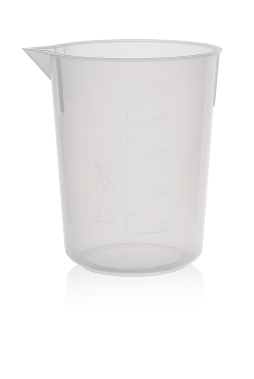
 Low Form Beaker with Molded GraduationCompliance with ISO 7056 Laboratory Plastic ware -Beakers
Tapered sided and space saving design, suitable for general laboratory use.
· Stackable
· PP material, chemical resistance, durable and autoclavable Dropping Funnel, Cylindrical ShapeUsed for adding regents slowly
Comply with the ISO 4800 standard
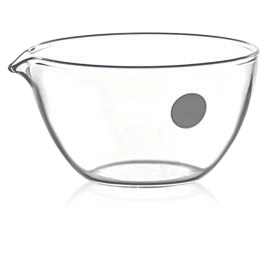
Borosilicate glass 3.3, with ground-in glass stopper and stopcock Evaporating Dish Round BottomUsed as a surface to evaporate a liquid, a vessel to solds for weighing,etc
· Borosilicate glass 3.3, with a pouring spout
· Sturdy, medium-depth
· Flat bottom and round bottom optional

Related Posts
Online Message
PROFESSIONAL CONSULTATION
If you are interested in our products and want to know more details, please leave a message here, we will reply you as soon as we can.