


Why do petri plates matter so much in everyday microbiology work?
Because a petri plate is not just a container. It affects how evenly media sets, how clearly colonies can be seen, how easy the plate is to stack, label, transport, and incubate, and even how likely contamination is during handling. In routine microbiology, small differences in plate quality can show up as bigger problems later: distorted agar surfaces, poor visibility, lids that do not fit consistently, or condensation that makes colony reading harder.
For researchers, buyers, and lab managers comparing options, the useful question is not simply “plastic or glass?” It is whether the plate fits the workflow, the culture method, and the level of consistency the lab needs.
What materials are petri plates usually made from?
Most petri plates used today are made from either plastic or glass.
- Plastic petri plates are common in single-use laboratory work. They are lightweight, convenient, and practical for high-volume testing.
- Glass petri plates are reusable if the lab has a cleaning and sterilization process in place. They are often chosen when repeat use matters more than disposal convenience.
Within plastic options, labs often pay attention to clarity, rigidity, and how consistently the lid fits the base. Those details sound minor until a technician has to read subtle colony morphology across hundreds of samples.
When should you choose plastic instead of glass?
Plastic is usually the practical choice for routine microbiology, clinical handling, and situations where cross-contamination control is a priority. If a lab wants ready-to-use consumables, quick setup, and simpler disposal after use, plastic plates usually fit better.
Glass makes more sense when the lab already has validated washing and sterilization procedures and wants a reusable option for repeated internal work. But reuse comes with extra operational steps. A glass plate is only useful if cleaning, inspection, drying, and sterilization are all done consistently. Otherwise, the risk moves from purchasing cost to culture reliability.
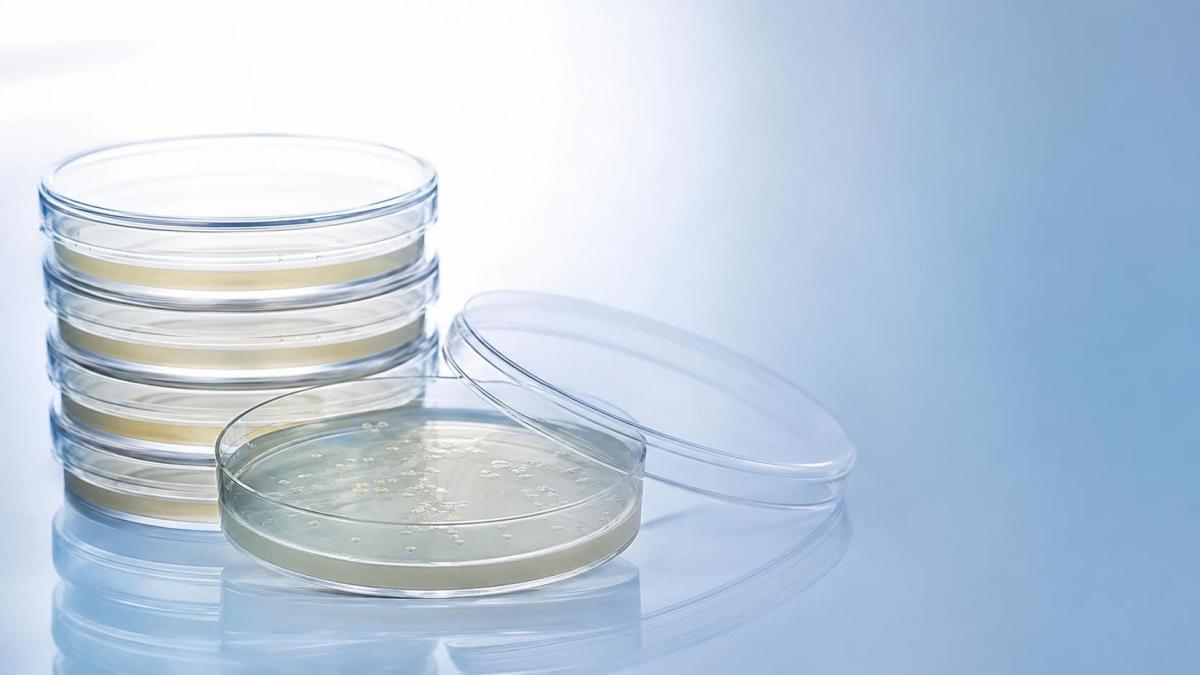
Do plate sizes really change the outcome of a culture?
They can. Size affects inoculation space, agar volume, airflow under the lid, and how many samples can be processed in a single incubator run. A larger plate gives more working area, which is helpful for colony isolation, spread plating, or methods that need more surface separation. Smaller plates may be fine for limited sample volumes, teaching labs, or compact workflows.
The point is not that one size is universally better. The right size depends on what the lab is trying to observe. If colonies are expected to spread widely or multiple streak zones are needed, a plate that is too small can reduce readability. If the procedure is simple and space is limited, oversizing the plate just wastes media and storage capacity.
What should you check before selecting a plate size?
A quick buying decision often misses the practical details. These are the checks that actually matter:
- Look at the culture method: streaking, spread plating, passive exposure, or sample transfer.
- Match the plate footprint to incubator racks, stack height limits, and storage space.
- Consider agar fill volume and whether the lab needs a deeper or shallower medium surface.
- Check how the plate will be labeled and whether technicians need clear side or lid visibility.
- Review whether the workflow is manual or high-volume, because handling speed changes what feels efficient.
A plate can be technically usable and still be a poor operational fit. That is a common purchasing mistake.
Which petri plates are best for common microbiology applications?
The best use depends on the task, not on a single “premium” specification.
If the work changes from one bench to another, a lab may need more than one plate format instead of trying to force one type into every procedure.
What are the most common mistakes people make when sourcing petri plates?
The biggest mistake is buying on diameter alone. Plate selection should also consider material behavior, stacking stability, packaging, and the intended microbiology method.
Other frequent issues include choosing a plate with poor optical clarity, ignoring how much condensation affects reading, or overlooking whether packaging supports the lab’s clean handling process. In export and distribution settings, buyers also need to think about shipping integrity. A plate that performs well in theory is not enough if it arrives cracked, warped, or inconsistently packed.
Are sterile and non-sterile petri plates interchangeable?
Not in practice. The right choice depends on how the plate enters the workflow.
A sterile plate is generally used when the lab needs immediate culture readiness without an internal sterilization step. A non-sterile plate may still be usable in settings where the lab has its own validated preparation process before use. The key is to trace the actual handling path. If the plate goes directly from packaging to media preparation or inoculation, sterility status becomes part of the process control, not just a product label.
How do you judge plate quality before placing a larger order?
Ask for a sample and inspect it like a technician, not just like a purchaser. Check:
- whether the base sits flat
- whether the lid fits securely without excessive looseness or binding
- whether the surface is clear enough for colony observation
- whether stacked plates feel stable during handling
- whether packaging protects the product during storage and transit
Then run a small in-house trial using the actual media and incubation conditions the lab uses. That is where practical issues usually appear.
Does this connect to other lab consumables, or is plate selection a separate issue?
It is part of a bigger consumables decision. Labs rarely buy one item in isolation. A team reviewing petri plates is often also reviewing sample handling tools, sectioning products, storage items, or other routine-use supplies. For example, a pathology or research facility that handles both microbiology and tissue preparation may source different categories together, including Microtome Blades for histological sectioning of tissue samples. Those disposable stainless-steel blades are designed for use with microtomes or cryostats and are offered in models such as ML0390-0001 through ML0391-0002, with packaging options including 50pcs/box, 500pcs/inner box, and 5000pcs/carton.
That does not mean the products are interchangeable in use, of course. It simply reflects how many laboratories prefer to standardize sourcing across consumable categories where quality consistency and supply reliability matter.
So what is the smartest way to choose petri plates?
Start with the real job the plate has to do: culture type, media volume, reading method, handling frequency, and storage conditions. After that, compare material, size, sterility status, and packaging against the lab’s daily workflow. The best petri plates are the ones that stay consistent from box to box and make routine work easier rather than forcing technicians to work around avoidable flaws.
If you are evaluating options for a lab, test a small batch under normal operating conditions and watch where friction appears. In microbiology, the right plate is usually the one that quietly does its job and never becomes the reason a result is questioned.
Related Posts
Online Message
PROFESSIONAL CONSULTATION
If you are interested in our products and want to know more details, please leave a message here, we will reply you as soon as we can.