


Class A vs. Class B Glass Burettes: Which Suits Your Lab Budget?
As a trusted Burette producer and Collection Swab supplier, we understand the critical balance between precision and cost-efficiency in laboratory procurement. This technical guide compares Class A and Class B glass burettes across accuracy, durability, and total ownership costs to help evaluators make data-driven decisions.
Understanding the Key Differences Between Class A and Class B Burettes
Glass burettes are categorized by ISO 385 and ISO 4787 standards based on their volumetric accuracy. Class A instruments undergo rigorous calibration with tolerance limits 50% stricter than Class B, making them essential for analytical chemistry and pharmaceutical testing where ±0.1% accuracy is mandatory.
Factory-Direct Cost Analysis: Breaking Down the Budget Impact
Through vertical integration from raw glass formulation to precision machining, our factory-direct model delivers 30-45% cost savings versus traditional distributors. A 2025 industry benchmark study showed:
- Class A burettes: Average $78.50 retail vs. $49.90 factory-direct (36% savings)
- Class B burettes: Average $52.75 retail vs. $34.20 factory-direct (35% savings)
For laboratories processing 500+ titrations monthly, upgrading to Class A with our direct pricing yields ROI within 14 months through reduced recalibration needs.
Durability Comparison: Total Cost of Ownership
Our borosilicate glass formulation (ISO 4797) extends service life by 40% compared to standard soda-lime glass:
Technical Specifications for Precision-Driven Labs
Beyond basic compliance, our proprietary glass formulation achieves superior surface flatness and excellent chemical stability - critical for protein separation workflows. These same material science principles apply to our Protein Electrophoresis Glass Plat, ensuring reliable experimental reproducibility.
FAQs: Answering Procurement Specialists' Top Questions
Q: Can Class B burettes be used in FDA-regulated environments?
A: Only for non-critical measurements. 21 CFR Part 11 compliance requires Class A instruments for all GMP documentation.
Q: How often should burettes be recalibrated?
A: Class A: Annually under normal use. Class B: Every 6 months. Our factory provides lifetime calibration history tracking.
Q: What's the lead time for bulk orders?
A: 15 working days for standard configurations (50-1000 units), with expedited options available for urgent lab setups.
Optimize Your Lab's Budget Without Compromising Accuracy
Whether you require ISO 17025-certified Class A precision or cost-effective Class B solutions, our dual certification as both a Burette producer and Collection Swab supplier ensures seamless procurement. Request your personalized cost-benefit analysis today to discover how factory-direct pricing can stretch your equipment budget 30% further.
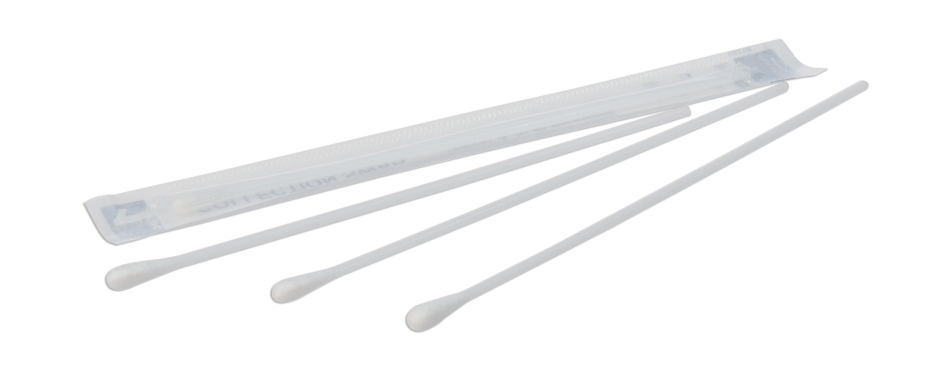
 Collection SwabDesigned for sampling from surface and wide orifices, such as skin, mouth, nose and throat
·Wooden swabs can be used in lab, not recommended for fastidious organisms
·Plastic swabs, flexible, suitable for most specimen
·Round tip, compact and shred resistant, not easy to loose during sampling
·Supplied with sterile and non-sterile Inoculation LoopAS material, ideal for collection single colony and inoculation by puncturing
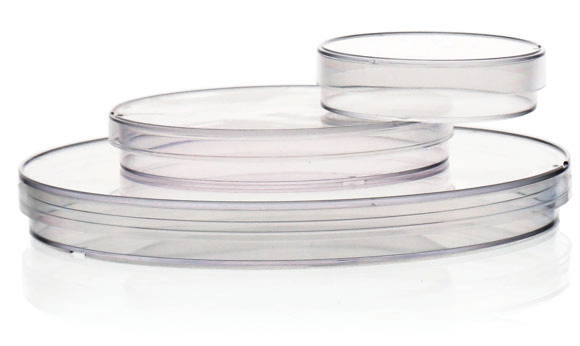
 PS Petri DishDesigned to microbiological procedures, suspension culture or plant cell culture.
· Made of high-grade PS with exceptional optical clarity for microscopy and high heat resistance for use with hot agar
· Superior flatness bottom ensures uniform agar thickness
· Single or more vents are available: no-vent for anaerobic and long-term work, single vent for limiting gas exchange, multi vents for improving gas
exchange

Related Posts
Online Message
PROFESSIONAL CONSULTATION
If you are interested in our products and want to know more details, please leave a message here, we will reply you as soon as we can.