


Before placing an order with a supplier using the max laboratory name, procurement teams should confirm who they are actually buying from. A familiar name, polished website, or competitive quotation does not prove a supplier’s identity or authorization. For medical consumables, start by checking the registered legal entity, matching payment details, and confirming any claimed brand relationship through independently sourced contacts.
These checks matter when a laboratory needs stock urgently. A low quotation may look like a solution to a purchasing bottleneck, but an unverified counterparty can turn a routine replenishment order into a payment dispute, customs delay, or shipment that cannot be accepted. The aim is not to reject every unfamiliar supplier. It is to create an evidence trail strong enough to justify the purchase.
What does “Max Laboratory” mean on the quotation?
Do not assume that a name identifies one organization. “Max Laboratory” could appear as a trading name, website label, business division, or claimed brand affiliation. Similar names may also belong to unrelated businesses in different jurisdictions. Establish which entity is offering the goods before evaluating whether its price is attractive.
Ask the sales contact to provide:
- The full registered company name, including its legal suffix.
- Its registration number, jurisdiction, registered address, and operating address.
- The entity that will sign the contract and issue the invoice.
- The proposed payment beneficiary and bank location.
- Its role: manufacturer, authorized distributor, independent reseller, or export intermediary.
There should be a clear explanation connecting these details. A trading name that differs from the legal name is not automatically suspicious. An exporter selling products made by another company is also a normal commercial arrangement. The concern is an unexplained mismatch—or a representative who keeps changing the explanation.
Build an identity trail outside the supplier’s own documents
A business license sent by email is a starting point, not independent confirmation. Search the relevant official company registry using the registration number wherever possible. Check whether the entity exists, whether its status permits it to trade, and whether its name and address match the quotation.
Registry access varies by country. Some records are public; others require a paid extract, local assistance, or professional verification. If direct access is unavailable, use a reputable verification provider rather than accepting a screenshot as conclusive evidence. Save the source, search date, and result in the procurement file.
Then examine the contact trail. Does the email domain match the supplier’s independently verified website? Is a public telephone number available? Can someone reached through that number confirm the sales representative and quotation? Domain age, website quality, and professional social profiles can provide context, but none proves legal identity on its own.
For a substantial first order, request a live video meeting with the responsible commercial contact. Where relevant, ask to see the operating premises or stock being discussed. Treat this as supporting evidence: a video cannot establish ownership, product authenticity, or authorization by itself.
A useful distinction: company registration shows that a legal entity exists. It does not establish that the entity owns the max laboratory name, represents a particular manufacturer, or can supply the products quoted.
Confirm claimed authorization with the organization that issued it
If the supplier claims to be an authorized distributor or official representative, ask for the authorization document. It should identify the authorized legal entity, relevant product range, territory, issuing organization, and validity period.
Contact the claimed manufacturer or brand owner through details obtained independently—not solely through a telephone number or email address printed on the supplied letter. Ask whether the authorization is current and covers the products and destination market involved. Where possible, have the confirmation identify the supplier’s registered name and registration number.
An independent reseller may be legitimate without holding distributor authorization. In that case, evaluate its sourcing trail, resale rights where applicable, warranty arrangements, and access to after-sales support. Do not treat “authorized” and “able to resell” as interchangeable claims.
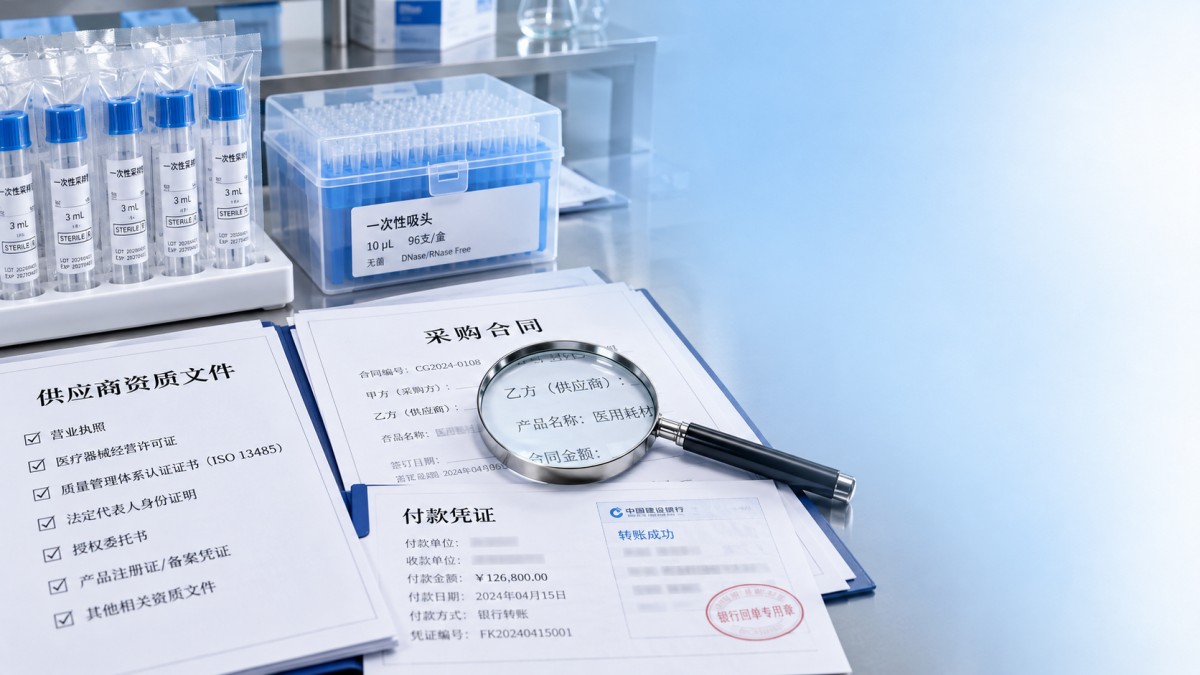
Bank details are an identity check, not just an accounting field
Before releasing funds, compare the contract seller, invoice issuer, and account beneficiary. They should normally align. Where they do not, require a documented explanation and approval through your finance and compliance procedures.
Last-minute payment changes deserve particular attention. A genuine supplier’s email account can be compromised, so an established relationship does not eliminate payment-diversion risk. Do not verify new instructions by replying to the same message that introduced them.
For a first purchase, discuss staged payments, documentary arrangements, or other protections appropriate to the transaction. These measures can reduce exposure, but they do not replace identity verification. Payment protection, product quality assurance, and regulatory compliance address different risks.
Check whether the documents cover the actual goods
A verified company can still offer unsuitable or inadequately documented products. Once identity is established, connect each important document to the items on the quotation: manufacturer, product reference, intended use, production site where relevant, and destination-market requirements.
For medical consumables, the documentation needed depends on product classification and local law. A laboratory item is not automatically a regulated medical device simply because it is used in a healthcare setting. Conversely, a product described as general laboratory equipment may still have obligations linked to its intended use.
Review the following where applicable:
- Product identification: catalogue number, dimensions, material, packaging quantity, and intended use.
- Traceability: manufacturer details, lot or batch identification, manufacturing date, and expiry date when relevant.
- Regulatory evidence: applicable registration, declaration, labeling, and conformity documentation for the destination market.
- Quality evidence: relevant quality-system certificates and product-specific inspection or test records.
- Sterility claims: sterilization method, supporting evidence, packaging integrity requirements, and shelf life.
Check certificate status and scope through the issuing body or an authoritative database when available. A quality-management certificate is not product approval, and a certificate covering one site or product category does not necessarily cover every item the supplier sells. Avoid accepting a folder of unrelated certificates as proof of compliance.
Equipment purchases need a second layer of verification
The same discipline applies when consumables sourcing expands into laboratory equipment. For example, a quotation for the Laser Slide Printer US-100 8004-0102 should identify the manufacturer, model, supplied configuration, warranty provider, and party responsible for installation and support.
The listed specifications include UV laser marking on color frosted slides, a printing speed of 3–5 seconds per slide, 2500 dpi resolution, and loading and collection capacities of up to 100 slides each. An 11-inch touchscreen, built-in barcode scanner, and integrated air purification system are also listed. Procurement should confirm that these features apply to the exact unit offered.
Its ribbon- and ink-free marking approach may affect operating costs, but the purchase decision still needs practical evidence. Request sample slides, test barcode readability within your workflow, and assess marking durability under your laboratory’s processing conditions. Although LIS/HIS compatibility is listed, confirm interfaces, software requirements, integration responsibilities, and any additional charges before contracting.
For imported equipment, also verify electrical compatibility, service access, replacement-part availability, and shipping dimensions. A correct product specification is of limited value if the seller cannot explain who will resolve a fault after delivery.
Compare the verified cost, not the headline price
Procurement teams often search for a max laboratory supplier because they are comparing quotations or trying to reduce purchasing costs. Identity checks support that goal: they help distinguish a genuinely competitive offer from one that excludes essential services or shifts unresolved risks to the buyer.
Ask each shortlisted supplier to quote on the same basis. Compare product references, quantities, packaging, delivery terms, named locations, lead times, and documentation responsibilities. “Shipping included” is too vague for an international purchase.
A landed-cost review should account for freight, insurance, customs clearance, applicable duties and taxes, bank charges, inspection, and any labeling or documentation work. For equipment, add installation, training, integration, maintenance, and service-related travel where relevant.
A cheaper shipment with insufficient remaining shelf life may be more expensive in practice. So may a quotation that excludes required import documentation. Resolve these differences before negotiating a discount; otherwise, the comparison is not like-for-like.
Decide what must be resolved before the purchase order
Not every inconsistency indicates fraud. Companies relocate, use separate warehouse addresses, and work with legitimate export partners. What matters is whether the discrepancy can be explained and independently supported.
Hold the order when the legal entity cannot be verified, an authorization claim is contradicted, an unexplained beneficiary is introduced, or the supplier pressures you to pay before checks are complete. Conflicting company names, inconsistent signatures, and repeated refusal to identify the manufacturer also warrant escalation.
Proceed conditionally when the entity is verified but specific commercial or technical issues remain open. Record those conditions in the contract—for example, acceptance of a sample, confirmation of documentation, or completion of a pre-shipment inspection. A smaller trial order can limit exposure, but it should follow basic identity checks rather than replace them.
Before approval, keep a compact verification record containing the registry result, contact confirmations, authorization evidence where applicable, beneficiary check, product-document review, and agreed quotation. Assign an internal owner to each unresolved issue.
For international medical-device and consumables sourcing, a reliable export partner makes these checks easier by explaining its legal role, documenting the supply chain, and defining support responsibilities. That transparency matters more than a familiar name. Once the seller, goods, and payment route are aligned, procurement can negotiate with greater confidence—and with a clearer understanding of what the order will actually cost.
Related Posts
Online Message
PROFESSIONAL CONSULTATION
If you are interested in our products and want to know more details, please leave a message here, we will reply you as soon as we can.