


A crushed carton may look alarming, while a tiny puncture can be easy to miss—but which damage makes sterile containers unsafe to use?
For quality control and safety teams, the critical question is whether the sterile barrier remains intact, not simply whether the outer packaging looks damaged.
Tears, open seals, moisture exposure, and other signs of compromised protection require careful assessment before release or use. Uncertain units should remain quarantined pending review.
This article explains how to distinguish cosmetic packaging damage from potential sterility risks, identify warning signs, and apply quarantine and supplier review procedures effectively.
Identify the sterile barrier before judging the damage
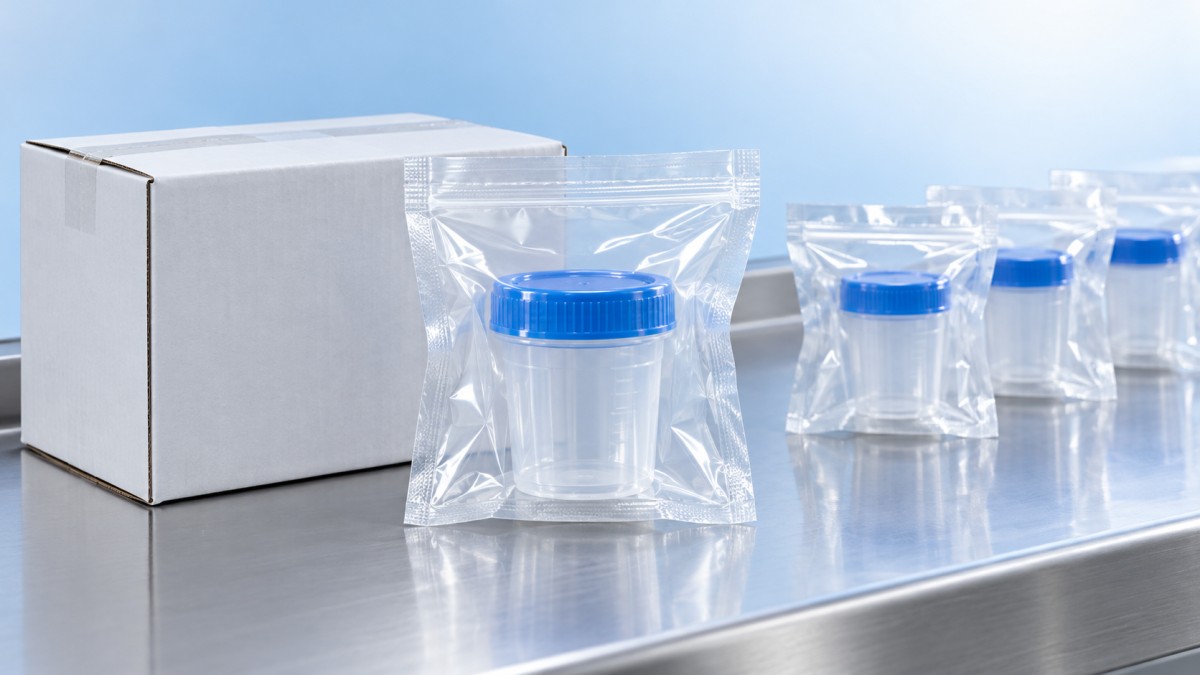
Packaging damage makes a product unsuitable for sterile use when it compromises the validated sterile barrier, prevents aseptic presentation, or leaves either condition unresolved.
Start by identifying which component actually maintains sterility. A shipping carton, protective sleeve, sealed pouch, and container closure can perform very different protective functions.
For some sterile containers, a sealed pouch provides the sterile barrier. For others, the container and its validated closure system maintain the specified sterile condition.
Reusable rigid sterilization containers require a different assessment involving filters, valves, gaskets, and locking mechanisms. Their manufacturer instructions govern inspection, maintenance, and suitability for reuse.
Check the label and instructions to determine what is supplied sterile: the contents, the internal container surfaces, the entire device, or another explicitly defined configuration.
A crushed outer carton may therefore be acceptable after documented assessment, while an almost invisible puncture through the actual sterile barrier requires rejection from sterile use.
Do not assume that every package layer is a sterile barrier. Use supplier documentation to map the packaging system before establishing inspection and release criteria.
Which defects require an immediate hold?
Visible tears, punctures, open seals, and unintended openings in the sterile barrier require immediate segregation. These defects remove the basis for accepting the labeled sterile condition.
Seal defects deserve particular attention because they may be difficult to see. Look for unsealed areas, channels, separation, or material trapped across the seal.
A wrinkle alone does not prove seal failure. Its location and effect matter, especially when it creates a possible pathway across the sealed area.
For containers whose closures maintain sterility, cracked lids, damaged threads, displaced sealing components, and loose closures are significant concerns. Apply the manufacturer's defined acceptance criteria.
A tamper feature provides evidence about opening or interference, but does not necessarily establish sterility. Determine its intended function from the product's packaging specifications.
Visible product contamination, unexplained residues, or suspected leakage also justify a hold. Staff should not attempt to clean questionable units and then release them.
Missing or unreadable identification may create a separate release problem. Without reliable lot, expiry, or product information, traceability and suitability cannot be confirmed confidently.
When a suspected defect cannot be resolved through approved inspection, keep the unit quarantined. Lack of visible contamination is insufficient evidence that sterility remains maintained.
When can crushed cartons or moisture exposure be acceptable?
External damage requires assessment, but does not automatically mean every enclosed unit has lost sterility. The damage mechanism and affected packaging layers determine the response.
A superficial scuff on a shipping carton generally presents a different concern from compression that deforms containers, folds pouches sharply, or places stress on seals.
Inspect beneath the visible impact area and along adjacent surfaces. Compression can transfer force through a carton and damage units that initially appear unaffected.
If the carton is wet but the inner packaging appears dry, establish the exposure source, duration, and extent. Review applicable storage and transport limits.
Liquid exposure can affect porous barriers, adhesives, labels, and handling conditions. Moisture reaching the sterile barrier warrants quarantine and assessment against the validated packaging specifications.
Do not assume drying restores packaging integrity. A package that looks normal afterward may still have weakened seals, altered material properties, or contamination concerns.
Similarly, water staining on an outer carton does not establish failure of every inner barrier. Release requires evidence that all relevant acceptance criteria remain satisfied.
There is no universal allowable dent size or wetting threshold. Use product-specific criteria, documented inspection findings, and supplier evidence instead of improvised numerical limits.
Build an inspection process that supports a defensible decision
Inspect incoming shipments before placing stock into available inventory. Record external damage while the carton configuration, pallet position, and delivery conditions can still be established.
Photograph the shipment, affected cartons, identifying labels, and representative defects. Include enough context to connect each close-up image with the relevant carton and lot.
Examine accessible sterile barriers under suitable lighting without opening them. Avoid flexing, squeezing, or manipulating suspect packages in ways that could introduce further damage.
Compare findings with approved defect examples and specifications. A shared visual reference helps receiving staff and quality reviewers distinguish acceptable variation from meaningful defects.
Check expiry dates, storage requirements, and product identity alongside package condition. An intact package cannot compensate for an expired product or unresolved storage excursion.
Define inspection scope according to the incident. Localized carton damage and evidence of widespread compression may require different assessments, even within the same shipment.
Sampling can support a documented disposition, but cannot prove every uninspected barrier is intact. Expand inspection when clustered defects or a common damage mechanism suggest broader exposure.
Keep inspection separate from opening for use. Once a sterile barrier is opened, the product cannot simply return to inventory as an unopened sterile unit.
Quarantine first, then document the release or rejection
Place suspect stock in a clearly identified quarantine area and block its availability in the inventory system. Physical segregation alone may not prevent accidental issue.
Define the hold boundary using available evidence: individual units, a carton, a pallet, or a lot. Broaden that boundary when the damage pattern remains uncertain.
Record the quantity held, product reference, lot number, expiry date, receipt date, and observed condition. Assign responsibility for investigation and final disposition to authorized personnel.
Separate confirmed barrier failures from units requiring further assessment. This distinction helps prioritize investigation and prevents obviously defective units from entering a conditional release decision.
Release should rest on documented evidence that the applicable requirements remain met. A supplier's general reassurance does not replace a product-specific assessment of observed damage.
Reject units with confirmed sterile barrier breaches from sterile use. Route returns, disposal, or any permitted alternative handling through approved procedures and supplier instructions.
Do not tape torn pouches, reseal opened packages, or tighten questionable closures as an improvised remedy. Such actions do not establish a validated sterile condition.
Reprocessing is appropriate only where the device is intended for it and validated instructions support the process. Do not apply reusable-device practices to disposable products.
Ask suppliers for evidence that resolves the actual defect
Send the supplier a focused incident record containing photographs, quantities, lot details, and the damage location. Describe what was observed without assuming its cause.
Ask which packaging component constitutes the sterile barrier and which specification applies to the defect. This establishes the basis for interpreting the supplier's response.
Request relevant acceptance criteria, packaging configuration details, and evidence addressing the exposure or failure mechanism. Generic sterilization certificates do not demonstrate that damaged packaging remains intact.
Where testing is justified, agree on suitable methods and representative samples with qualified personnel. Seal strength and package integrity testing answer different technical questions.
A negative microbiological result from a limited sample does not establish sterility for all affected units. Testing must fit the investigation and its sampling limitations.
For international shipments, coordinate the supplier investigation with transport and distribution records. Handling damage, inadequate protective packaging, and manufacturing defects require different corrective actions.
Close the investigation with a documented disposition and clear responsibilities. Track repeated incidents so packaging improvements, carrier changes, or supplier corrective actions can be evaluated.
Apply the same principles to specimen collection and examination supplies
For sterile specimen containers, package integrity affects confidence in collection conditions. Contamination introduced before sampling can interfere with laboratory interpretation, depending on the test.
Follow the collection protocol and container instructions together. Check the closure and any protective packaging without opening a sterile unit prematurely for internal inspection.
Consider the collection workflow around the container as well. Packaging damage to an accompanying examination device requires its own assessment against the labeled supply condition.
For example, the Vaginal Speculum supports cervical visualization by retracting the anterior and posterior vaginal walls, with a screw securing its open position during examination.
Its listed applications include sample collection and processing, with large, middle, small, and extra small sizes. Size selection considers parity, age, menopausal stage, and previous smear experience.
These functional details help staff choose an appropriate device, but do not establish sterile status. Verify the selected model's labeling, packaging configuration, and instructions separately.
Procurement teams should request those details before purchase. Clear specifications help receiving staff assess packaging damage consistently and support safe handling throughout the collection workflow.
Make the final decision clear to every team
The practical rule is straightforward: confirmed sterile barrier damage makes a unit unsuitable for sterile use; unresolved integrity concerns require quarantine until properly assessed.
Damage confined to protective outer packaging may allow release when inspection and supporting evidence confirm that the sterile barrier, product, identification, and handling requirements remain acceptable.
Give receiving, warehouse, quality, and clinical teams consistent defect examples and escalation routes. Clear criteria reduce unnecessary rejection while preventing questionable stock from reaching patients.
A reliable decision depends on identifying the barrier, assessing the damage mechanism, and documenting the evidence. Appearance alone cannot establish whether sterile containers remain safe to use.